
Why Most Manufacturing Process Improvements Miss the Real Bottleneck
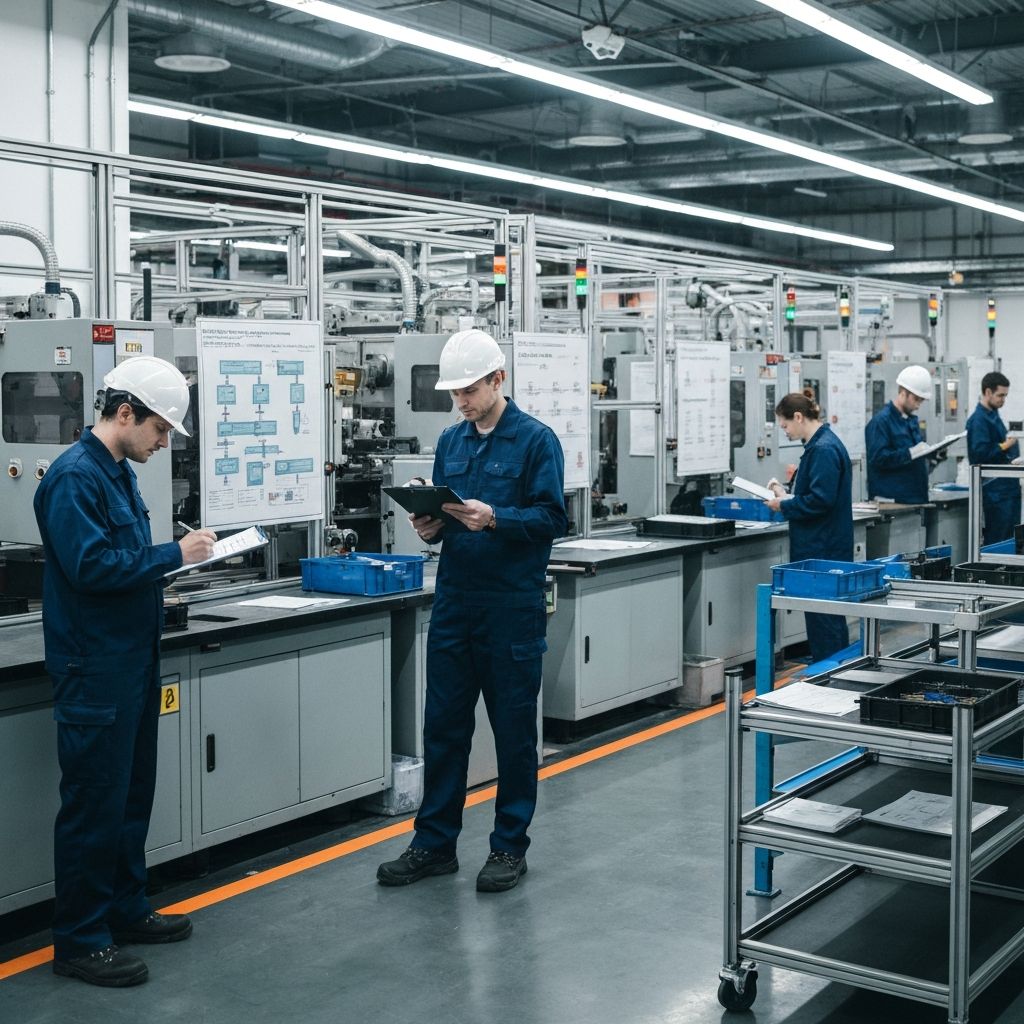
A mid-size automotive parts manufacturer invested $2M in automated quality inspection systems. The equipment was state-of-the-art. Installation went smoothly. Training was comprehensive. Six months later, throughput had improved by only 3%. The equipment was capable of 40% gains.
What went wrong?
The company conducted process analysis. They identified inspection as the bottleneck. They invested in the right solution for that bottleneck. But the improvement didn't materialize.
This isn't an isolated case. It's the pattern. Manufacturing improvement initiatives focus on equipment, automation, or Lean techniques, yet performance gains often fall short. The real issue is rarely the machines themselves. It's incomplete understanding of how the production process actually works day to day.
Where Process Understanding Breaks Down
Formal documentation doesn't match reality
The process diagram shows a linear flow: raw material → machining → inspection → assembly → packaging. Clean. Sequential. Efficient. But on the shop floor, reality is messier. What happens when a batch fails inspection? Who decides if it goes to rework or scrap? How do operators prioritize when multiple jobs are waiting? These decision points happen dozens of times per shift. But they're rarely documented.
Tribal knowledge lives in people's heads
The senior operator knows that parts from Machine 3 need extra inspection because the calibration drifts. The shift supervisor knows which vendors deliver material that requires adjusted settings. The quality technician knows which measurements matter most for different customers. This knowledge shapes how work flows. When process improvement teams don't capture it, they design changes that work in theory but fail in practice.
Workarounds become invisible
Every manufacturing environment has them. The label printer jams, so operators developed a manual backup. The scheduling system doesn't account for setup time correctly, so supervisors adjust manually. Materials arrive in wrong packaging, so receiving repackages them. These aren't exceptions. They're daily reality. Improvement initiatives based on how the process should work rather than how it does work can't address real constraints.
Different stakeholders see different bottlenecks
Ask the production manager where the constraint is: machine capacity. Ask the quality manager: inspection. Ask the maintenance supervisor: equipment downtime. Ask operators: waiting for materials or unclear instructions. Everyone is right from their perspective. If improvement efforts only capture one viewpoint, they solve the wrong problem.
Why Traditional Process Mapping Fails
Sequential observation misses patterns
A process engineer observes machining one day, assembly another, quality inspection a third. Each observation happens in isolation. The connections, handoffs, and dependencies only become visible when you see them operating together. By the time the engineer has observed all areas, their understanding of the first area is outdated.
The observer effect changes behavior
When a process engineer is watching, operators follow documented procedures more carefully. The informal shortcuts, judgment calls, and workarounds that happen when nobody's watching don't surface. What gets documented is the idealized version, not the actual one.
The Hidden Constraints Improvement Efforts Miss
Variability handling
Process maps show the happy path. But what percentage of parts actually follow it? When material arrives late, equipment runs slow, or quality catches issues, what actually happens? If 40% of production involves exception handling, and improvement only addresses the standard path, you're optimizing the wrong thing.
Cross-functional dependencies
Maintenance schedules cleaning for third shift, but that's when production runs urgent orders. Materials planning assumes standard lead times, but purchasing negotiated longer terms. Quality holds batches for testing, but shipping promised next-day delivery. These conflicts happen constantly. They're resolved through informal communication and judgment calls. If process improvement doesn't account for them, changes in one area create problems in another.
Information delays
The production schedule updates hourly, but the planning system only refreshes overnight. Quality inspection results are available immediately, but don't trigger material holds until someone manually reviews them. Process improvements assuming real-time information flow will fail when information actually moves in batches or manually.
What Systematic Discovery Looks Like
Getting accurate understanding of how manufacturing processes actually work requires a different approach.
Capture input from all stakeholders
When an operator mentions a workaround, immediately understand how quality and maintenance see the same issue. This creates a complete picture rather than fragmented perspectives assembled weeks later.
Identify patterns across conversations
When three different operators independently mention the same bottleneck, that's signal. When production, quality, and maintenance describe different causes for the same delay, that reveals a systemic issue. AI can recognize these patterns across dozens of conversations, surfacing connections a human analyst might miss.
Distinguish documented process from actual practice
Don't just ask "what's the process?" Ask "what do you do when the standard process doesn't work?" "What workarounds exist?" "What informal rules guide decisions?" This surfaces the real process, not the theoretical one.
Preserve the reasoning behind decisions
Why did operators develop that workaround? What constraint were they addressing? What would break if they stopped doing it? Understanding the "why" prevents improvement efforts from eliminating solutions without addressing underlying problems.
From Discovery to Effective Improvement
The automotive parts manufacturer eventually figured out their real bottleneck. It wasn't inspection speed. It was lack of clear criteria for when parts went to rework versus scrap, combined with no designated space for work-in-process, creating confusion that delayed everything downstream. They didn't need more automation. They needed clearer decision rules and better physical organization. Once they addressed the real constraint, throughput increased 35%.
This is the pattern. Equipment upgrades, automation investments, and Lean initiatives all deliver results when they address real bottlenecks. But they fail when built on incomplete understanding of how work actually flows.
The difference between successful and unsuccessful process improvement isn't usually the solution. It's the discovery. Teams that invest in systematic, comprehensive understanding of current state create improvements that actually work. Those that rely on partial observation and outdated documentation keep solving the wrong problems.
Is your organization running process improvement initiatives based on incomplete understanding? Request early access to SummitPath and discover the real bottlenecks in your operations.
SummitPath Team
The SummitPath team combines AI technology with manufacturing and business analysis expertise to help organizations discover and address real operational bottlenecks.